
Fan Zhang Speaks on NEV Exports and Green Trade Compliance at Chengdu High-Tech Zone
Invited by four zone authorities, Fan Zhang analyzes order-level compliance risks for new energy vehicle exports — from the EU Battery Regulation and CBAM to anti-subsidy and anti-circumvention exposure
On October 13, 2026, Fan Zhang delivered a presentation titled “New Energy & New Energy Vehicle Exports: Orders and Compliance Risks under Green Trade Rules” at the Foreign-Related Legal Services into Industrial Parks — Green Trade Season event in Chengdu High-Tech Zone, held at the Xinchuan Country Service Center. The session was jointly organized by the Chengdu High-Tech Zone Political and Legal Affairs Committee, the Zone International Cooperation and Investment Promotion Bureau, the Zhonghe Sub-district Office, and the Chengdu Lawyers Association High-Tech Zone Lawyers Working Committee.
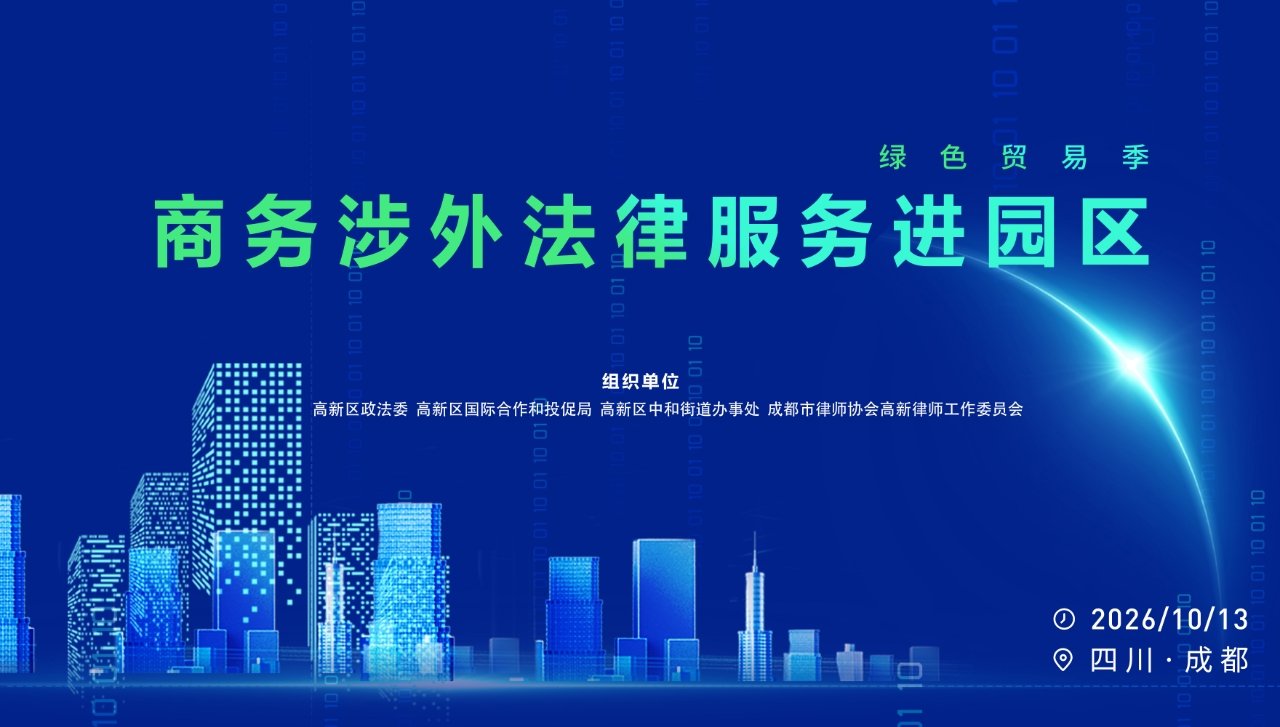
The “Green Trade Season” session of the Foreign-Related Legal Services into Industrial Parks series, October 13, 2026, Chengdu, Sichuan.
Why Green Trade Rules Now Decide Orders
For China’s new energy and NEV industries, the compliance frontier has shifted. Export orders are no longer won and lost only on price and delivery terms — they are increasingly decided by green trade rules operating at the transaction level: carbon footprint declarations embedded in buyer questionnaires, battery passport and due diligence requirements flowing down the supply chain, carbon border costs appearing in landed-cost calculations, and trade remedy exposure hanging over entire product lines. Drawing on recent client mandates, Fan Zhang framed these as risks that attach to individual orders, not to enterprises in the abstract.
The presentation connected four regulatory layers that are usually discussed separately but interact at the order level: market access (product regulation and conformity requirements), carbon border measures (CBAM and battery carbon footprint rules), trade remedy instruments (anti-subsidy and anti-circumvention), and supply chain risk (traceability and documentation obligations that flow from buyers to upstream suppliers).
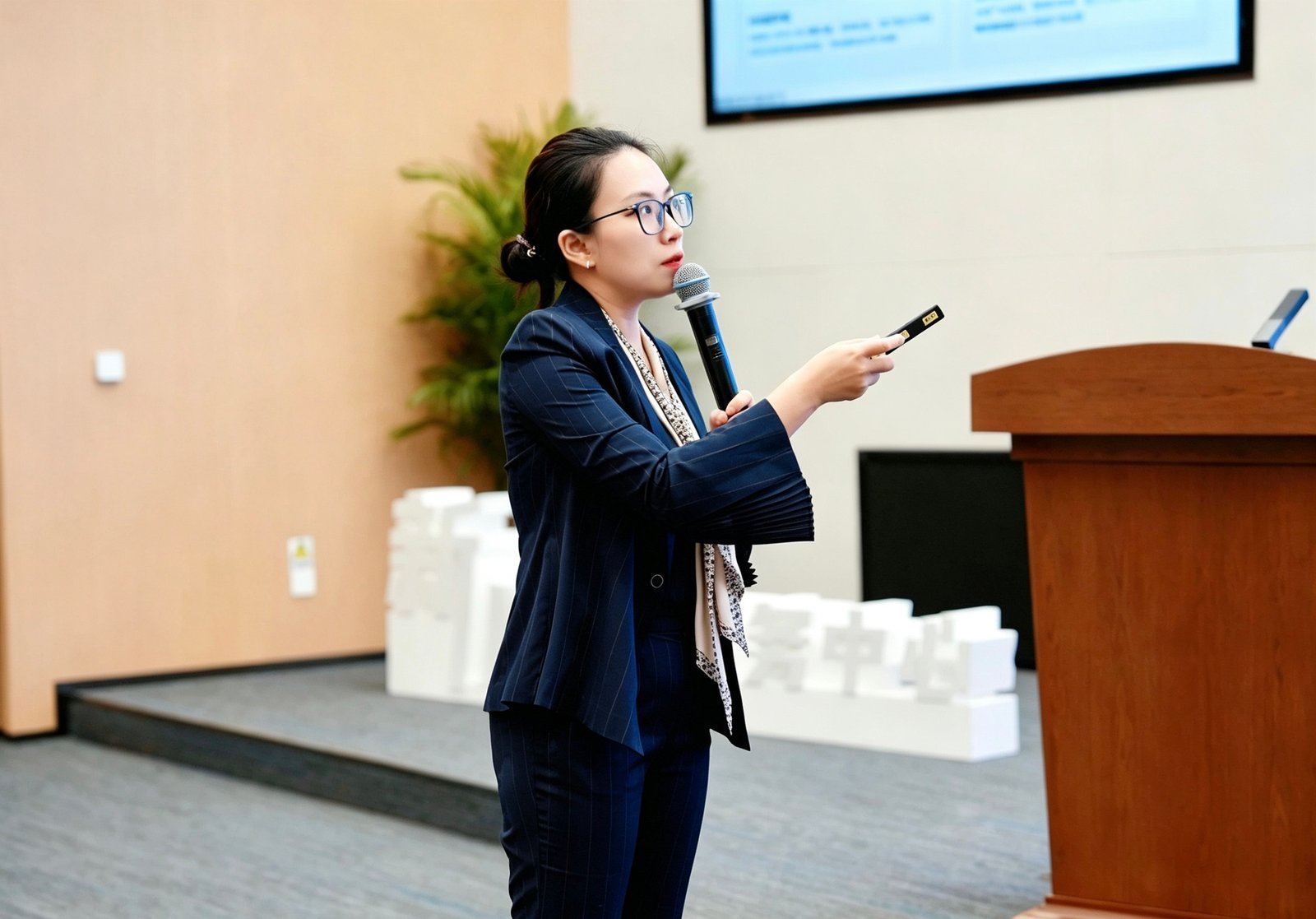
Fan Zhang presents “NEV & New Energy Exports: Orders and Compliance Risks under Green Trade Rules.”
The Five Analytical Modules
EU Battery Regulation: Old vs. New Regime
The EU Battery Regulation (EU) 2023/1542 replaces the 2006 Battery Directive with lifecycle-wide, directly applicable obligations: phased carbon footprint declarations for EV batteries, supply chain due diligence, recycled content requirements, and the digital Battery Passport from February 2027.
CBAM: 2026 Definitive Regime & 2028 Expansion
CBAM’s transitional reporting phase ends in December 2025. From January 2026 the definitive regime applies — certificate purchasing and, from February 2027, annual surrender against embedded emissions, subject to a 50-tonne de minimis threshold. The 2028 is expansion: extending coverage to downstream products and additional sectors.
Anti-Subsidy: Price Undertakings
Where countervailing duties would otherwise apply, exporting producers may offer price undertakings — commitments to sell at or above a minimum import price — replacing duty collection. The session examined when undertakings are realistically offered and accepted, and what obligations accepting one creates for the exporter.
Anti-Circumvention: The 60% / 25% Rules
Case-based analysis of the 60% parts-value threshold and 25% value-added exception under EU anti-dumping rules with the trends of application in Anti-Subsidy cases, with implications for third-country assembly, overseas manufacturing, and supply chain restructuring.
Calculation Example: How Carbon Cost affect the Quotation
A calculation demo traced embedded emissions through certificate cost and FOB pricing into the buyer’s landed cost — showing how carbon cost penetrates the quotation line by line, and how verified actual emissions data can materially reduce liability compared with the Commission’s deliberately conservative default values.
Order-Level Risk Map
The closing module mapped where these regimes bite in a single order lifecycle: incoterms and contract allocation of carbon compliance costs, buyer questionnaire exposure, data retention duties for verification, and clause design for sharing future CBAM and battery regulation liabilities.
Green trade rules do not attack industries — they attack quotations. Whoever controls the emissions data controls the margin.
— Fan Zhang, Director of Foreign Legal Affairs, JINGSH ChengduAudience and Discussion
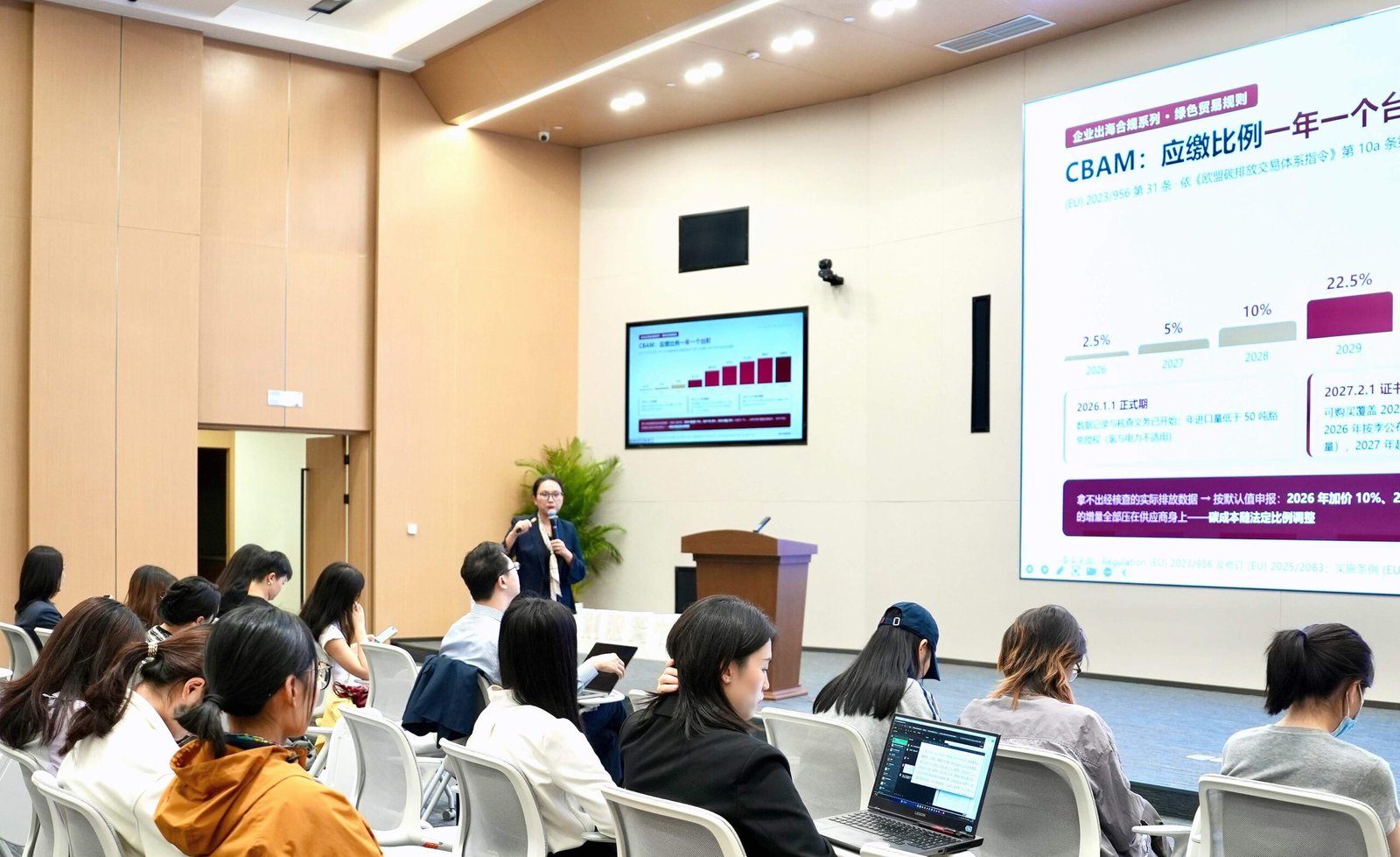
The session examined CBAM’s phased certificate ratio (2.5% from 2026 rising year by year) and the treatment of actual versus default emissions data.
The audience included enterprises from the zone’s new energy and advanced manufacturing sectors, foreign trade managers, and legal professionals. The discussion focused on practical questions: how to allocate CBAM costs between buyer and seller under different delivery terms, how far up the supply chain carbon data requests can lawfully reach, and how exporters should prepare for verification of actual emissions data before the definitive regime makes data quality commercially decisive.
The event was covered by official channels of the organizers — see the Chengdu High-Tech Zone Political and Legal Affairs (Emergency) report and the Xinchuan Country Service Center event page for the Chinese-language coverage.
Related Practice
The themes of this session connect directly to Fan Zhang’s trade compliance practice. Her proprietary AI-powered Cross-Border Trade and Regulatory Monitoring System tracks trade remedy proceedings, tariff changes, and regulatory updates in real time, with curated output published at US Briefing Highlights. As a California-admitted attorney admitted before the U.S. Court of International Trade, she represents clients across the full trade remedy lifecycle — from questionnaire response and price undertaking negotiations to litigation and compliance structuring. She has been recognized as an Excellent Foreign Law Attorney for three consecutive years and serves as Director of the JINGSH National Corporate Law Committee.
Facing Green Trade, CBAM, or Trade Remedy Exposure in Your Export Orders?
Fan Zhang and the JINGSH Chengdu team advise NEV and advanced manufacturing exporters on EU battery regulation compliance, CBAM preparation, trade remedy defense, and order-level clause design.

